


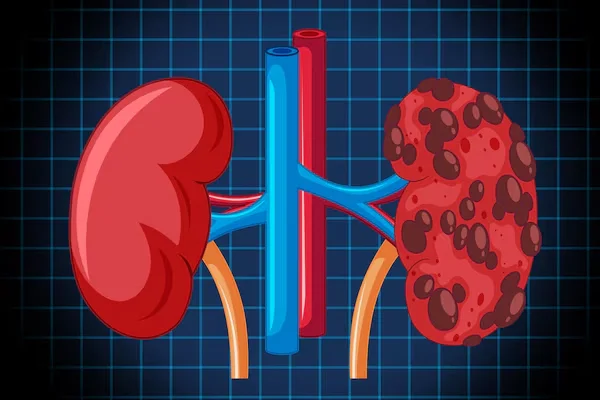
| Category | Kidney Failure Management |
Kidney failure is an advanced stage of kidney disease in which the kidneys can no longer adequately perform essential functions such as removing waste and excess fluid, maintaining electrolyte balance, and supporting healthy blood pressure and other body processes. Stage 5 CKD generally refers to an eGFR below 15 for at least three months or being on dialysis.
For patients looking for Kidney Failure Management in Faridabad, timely nephrology care can help manage symptoms, address complications, preserve remaining kidney function, and determine appropriate kidney replacement options when required.
Kidney failure occurs when kidney function becomes severely reduced. As kidney function declines, waste products and excess fluid can build up in the body, while abnormalities in potassium, sodium, acid-base balance, blood pressure, red blood cells, and bone-mineral metabolism may develop.
Kidney failure usually develops after significant progression of chronic kidney disease, although severe acute kidney injury can also cause a sudden loss of kidney function.
The two major kidney replacement treatments for established kidney failure are dialysis and kidney transplantation. Some patients may also choose comprehensive conservative medical management depending on their overall health and individual circumstances.
Several conditions can progressively damage the kidneys. Common causes include:
Diabetes and hypertension are among the most common causes of kidney failure.
Early kidney disease may cause few noticeable symptoms. As kidney function becomes severely reduced, patients may experience:
Symptoms can vary from one patient to another and may also be caused by complications of kidney disease.
A nephrologist evaluates kidney failure using medical history, physical examination, blood tests, urine testing, and other investigations when required.
Blood tests such as serum creatinine and eGFR help assess how well the kidneys are filtering blood.
Potassium, sodium, bicarbonate, calcium, phosphorus, and other parameters may be monitored to identify complications.
Urine testing can help assess protein or albumin loss, blood, infection, and other kidney abnormalities.
Blood pressure is closely monitored because uncontrolled hypertension can both contribute to kidney damage and worsen complications of advanced kidney disease.
Ultrasound or other imaging may be recommended when structural abnormalities or urinary obstruction need to be evaluated.
The management plan depends on kidney function, symptoms, complications, age, other medical conditions, nutritional status, and the patient's individual goals.
Even in advanced kidney disease, preserving remaining kidney function can be valuable. Treatment may include appropriate blood pressure control, diabetes management, medication review, dietary guidance, and avoidance of factors that can further injure the kidneys.
Reduced kidney function can cause excess fluid to accumulate, resulting in swelling or breathing difficulties. Fluid and salt intake may need to be individualized according to the patient's condition.
Advanced kidney disease can cause potentially serious abnormalities such as high potassium or metabolic acidosis. Regular laboratory monitoring helps identify these complications.
Kidney failure can contribute to anemia. Evaluation may include hemoglobin, iron status, and other relevant investigations, followed by individualized treatment where appropriate.
Advanced kidney disease can affect calcium, phosphorus, vitamin D, and parathyroid hormone regulation. Monitoring and treatment can help manage kidney-related mineral and bone complications.
Controlling blood pressure is an important part of kidney failure care and can also help reduce cardiovascular risks associated with advanced kidney disease.
For patients with diabetes, appropriate glucose management is an important part of protecting remaining kidney function and reducing other health complications.
When the kidneys can no longer safely manage waste, fluid, and electrolyte balance, dialysis may be recommended.
Hemodialysis uses a dialysis machine and a special filter called a dialyzer to remove waste products and excess fluid from the blood.
Peritoneal dialysis uses the lining of the abdomen as a natural filtering membrane. A special dialysis solution is introduced into the abdomen through a catheter and later drained.
The choice of dialysis depends on the patient's medical condition, lifestyle, preferences, available support, and clinical assessment.
For suitable patients, kidney transplantation can be another treatment option for kidney failure. A transplant places a healthy kidney from an appropriate donor into the patient's body.
Patients who receive a kidney transplant still require long-term medical follow-up and anti-rejection medicines.
A nephrologist can help patients understand whether transplant evaluation may be appropriate and coordinate kidney care before and after transplantation.
Dialysis or transplantation is not the only possible approach for every patient. Some individuals, particularly those with significant additional health problems, may choose conservative medical management.
This approach focuses on symptom control, quality of life, medication and dietary management, and supportive care without dialysis or transplantation. Decisions should be made jointly with the patient, family, and healthcare team.
Nutrition becomes increasingly important as kidney function declines. Dietary recommendations should be individualized according to laboratory results, dialysis status, medications, nutritional condition, and other diseases.
A treatment plan may include guidance regarding:
Patients should avoid making major dietary changes or taking supplements without discussing them with their healthcare team.
Kidney failure can significantly affect how medicines are processed and removed from the body. Some medicines may require dose adjustments, while certain medications or over-the-counter products may not be appropriate for particular patients.
Patients should maintain an updated medication list and discuss medicines, supplements, and herbal products with their nephrologist or pharmacist.
For patients seeking Kidney Failure Management in Faridabad, Dr. Vaishali Kathuria provides nephrology-focused evaluation and ongoing management of advanced kidney conditions.
Her approach can include:
Dr. Vaishali Kathuria is listed as a nephrologist at Accord Superspeciality Hospital, Sector 86, Faridabad. Dr Vaishali Kathuria
A nephrology consultation is important if you have:
Severe breathing difficulty, confusion, very low or absent urine output, chest pain, or significant weakness require urgent medical evaluation.
Kidney failure is a severe loss of kidney function in which the kidneys can no longer adequately perform their essential functions. Advanced kidney failure may require dialysis or kidney transplantation.
Diabetes and high blood pressure are major causes. Other causes include chronic kidney diseases, glomerular disorders, inherited kidney conditions, recurrent kidney injury, obstruction, and certain other medical conditions.
Not immediately in every situation. Treatment depends on kidney function, symptoms, complications, overall health, and individual circumstances. Dialysis may be recommended when kidney function is no longer sufficient to safely manage waste, fluid, or electrolyte balance.
Established chronic kidney failure generally cannot be reversed, but appropriate treatment may help manage complications and preserve remaining kidney function. Acute kidney injury is different and may improve when its underlying cause is treated.
Some patients may be suitable for kidney transplantation after a detailed medical and transplant evaluation. A transplant is a treatment for kidney failure and requires lifelong follow-up and anti-rejection medication.
Untreated advanced kidney failure can lead to accumulation of waste and fluid, electrolyte abnormalities, anemia, bone-mineral problems, cardiovascular complications, and other serious health problems.
A nephrologist evaluates kidney function, identifies complications, manages medications and associated conditions, guides dialysis when required, and helps patients understand kidney replacement and other treatment options.
With appropriate treatment and ongoing medical care, many people with kidney failure can continue meaningful daily activities. Treatment may include dialysis, transplantation, or individualized conservative management depending on the patient's circumstances


