


| Category | Renal Transplant Care |
A kidney transplant can be an important treatment option for selected patients with advanced kidney failure. However, transplantation is not simply a surgical procedure—it requires careful evaluation before transplant and lifelong medical follow-up afterward. Regular laboratory monitoring, anti-rejection medicines, medication review, and communication with the transplant team are important for protecting the transplanted kidney.
For patients looking for Renal Transplant Care in Faridabad, comprehensive nephrology support can help with transplant evaluation, pre-transplant preparation, post-transplant monitoring, medication management, and long-term kidney health.
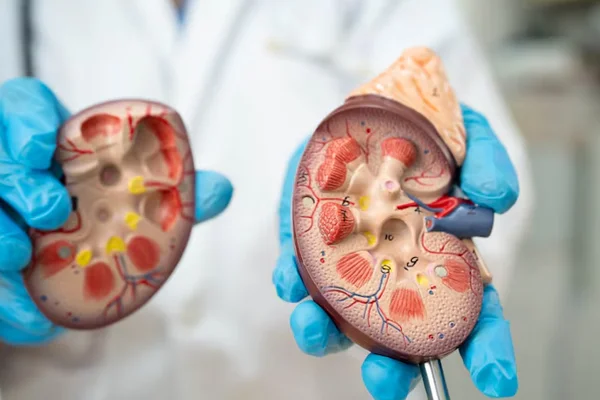
A kidney transplant is a treatment in which a healthy kidney from a suitable donor is placed into a person whose kidneys are no longer functioning adequately.
Kidney transplantation may involve a living donor or a deceased donor. Before transplantation, the patient undergoes detailed medical evaluation to determine whether transplantation is an appropriate and safe treatment option.
A successful transplant can reduce or eliminate the need for dialysis, but it does not mean that kidney disease management ends. Recipients require ongoing medical care and anti-rejection medication to protect the transplanted kidney.
Renal transplantation may be considered for selected patients with advanced or end-stage kidney failure, particularly when kidney function has become severely reduced and kidney replacement therapy is required or expected.
The decision depends on multiple factors, including:
A transplant evaluation is an important first step because it helps the medical team determine whether transplantation is suitable and what preparation may be required.
Before transplantation, patients undergo a detailed assessment. The goal is to identify medical issues that may affect transplant safety and outcomes.
Pre-transplant care may include:
The nephrologist reviews kidney function, dialysis history, urine output, and the progression of kidney disease.
Other health conditions such as diabetes, hypertension, cardiovascular disease, infections, and nutritional problems may need to be assessed and managed.
Current medicines are reviewed to identify medications that may need adjustment before transplantation.
When a living donor is being considered, the donor also undergoes a detailed evaluation to determine whether donation is medically appropriate.
Patients and families are informed about the transplant process, medications, follow-up requirements, possible complications, and lifestyle considerations.
Post-transplant care is an essential part of Renal Transplant Care in Faridabad. After transplantation, patients require regular follow-up and laboratory testing to monitor kidney function and detect potential complications early.
Post-transplant monitoring may include:
Regular follow-up allows the transplant team to identify changes in kidney function and adjust treatment when necessary.
After a kidney transplant, the body's immune system may recognize the transplanted kidney as foreign and attempt to attack it. Immunosuppressive or anti-rejection medicines are therefore used to reduce the risk of rejection.
These medicines need to be taken exactly as prescribed. Doses may be adjusted based on blood tests, kidney function, side effects, and other clinical factors.
Patients should not stop or change anti-rejection medicines without discussing it with their transplant team. Missing these medicines can increase the risk of rejection.
Rejection can sometimes occur without obvious symptoms, which makes regular follow-up and laboratory testing particularly important.
Possible warning signs can include:
Not every patient with rejection will experience symptoms, so scheduled blood tests and transplant follow-up remain important.
Kidney transplant recipients may require monitoring for several potential complications.
These may include:
Because immunosuppressive medicines reduce immune activity, transplant recipients may also have an increased susceptibility to certain infections.
Healthy lifestyle habits are an important part of protecting a transplanted kidney.
Patients may receive guidance regarding:
Dietary requirements can change after transplantation and should be individualized according to kidney function, medications, laboratory results, and overall health.
A kidney transplant requires lifelong follow-up. Even when the patient feels well, regular medical appointments and laboratory tests remain important.
Long-term follow-up helps monitor:
Transplanted kidney function
Regular testing helps determine whether the kidney is functioning appropriately.
Medication levels
Anti-rejection medicines may require monitoring and dose adjustment.
Blood pressure
Hypertension can affect long-term kidney and cardiovascular health.
Blood sugar
Some transplant medicines can affect glucose metabolism, making monitoring important.
Infection risk
Patients taking immunosuppressive medicines may require closer attention to infections.
Overall health
Routine preventive healthcare remains important after transplantation.
For patients currently receiving dialysis, discussing transplantation early can help them understand whether they may be suitable candidates.
A transplant evaluation involves several assessments and may identify additional health issues that need to be addressed before transplantation. In some situations, patients may need to improve their health or complete additional investigations before they can proceed.
Patients should discuss transplant options with their nephrologist and transplant center to understand the potential benefits, risks, and alternatives.
For patients seeking Renal Transplant Care in Faridabad, Dr. Vaishali Kathuria offers nephrology-focused care for patients requiring evaluation and ongoing management of complex kidney conditions.
Her care approach may include:
Dr. Vaishali Kathuria is listed as a nephrologist at Accord Superspeciality Hospital, Sector 86, Faridabad. Dr Vaishali Kathuria
Prompt medical evaluation is important if a transplant recipient develops:
Even when there are no symptoms, scheduled transplant follow-ups and laboratory tests should not be missed.
Renal transplant care includes medical management before and after kidney transplantation. It involves kidney function monitoring, medication management, rejection surveillance, infection monitoring, blood pressure control, and long-term follow-up.
Eligibility is determined after a detailed evaluation by a transplant team. The assessment considers kidney failure, overall health, other medical conditions, and whether transplantation is medically appropriate.
Some patients can stop dialysis after a successful transplant, but this is not guaranteed immediately. In certain situations, the transplanted kidney may take time to begin functioning, and temporary dialysis may be required.
Anti-rejection medicines are generally required long term after kidney transplantation. Patients should never stop or change these medicines without guidance from their transplant team.
Anti-rejection medicines, regular monitoring, and adherence to the transplant team's treatment plan can help reduce the risk of rejection. However, rejection can still occur in some patients.
Follow-up may include blood tests, urine tests, kidney function assessment, medication-level monitoring, blood pressure checks, and other investigations depending on the patient's condition.
Many transplant recipients can return to many regular activities after recovery. However, lifelong medication, medical follow-up, healthy lifestyle habits, and monitoring remain important for protecting the transplanted kidney.
The schedule varies according to the transplant center, time since transplantation, kidney function, medications, and individual health. Follow-up is generally more frequent soon after transplantation and becomes less frequent as the patient's condition stabilizes.


