


| Category | Dialysis Management and Care |
Dialysis Management & Care is an important part of treatment for patients whose kidneys are unable to adequately remove waste, excess fluid, and certain electrolytes from the body. Dialysis can also be required temporarily in some cases of severe acute kidney injury. The type and intensity of dialysis depend on kidney function, symptoms, laboratory results, fluid status, overall health, and individual treatment needs.
For patients looking for Dialysis Management & Care in Faridabad, comprehensive nephrology care can help with dialysis planning, treatment monitoring, complication management, medication review, nutrition guidance, and long-term kidney health.
Dialysis is a kidney replacement therapy that helps perform some of the functions normally carried out by healthy kidneys. It removes waste products and excess fluid from the blood and helps maintain appropriate levels of minerals and electrolytes.
Dialysis is commonly used for advanced kidney failure, but it may also be needed temporarily in certain cases of acute kidney injury. It is not necessarily a permanent treatment for every patient; the duration depends on the underlying kidney condition and whether kidney function can recover.
The decision to start dialysis is individualized and should be made by a nephrologist after evaluating the patient's overall clinical condition.
Dialysis may be considered when the kidneys are no longer able to adequately manage:
In severe acute kidney injury, dialysis may sometimes be required temporarily while the kidneys recover.
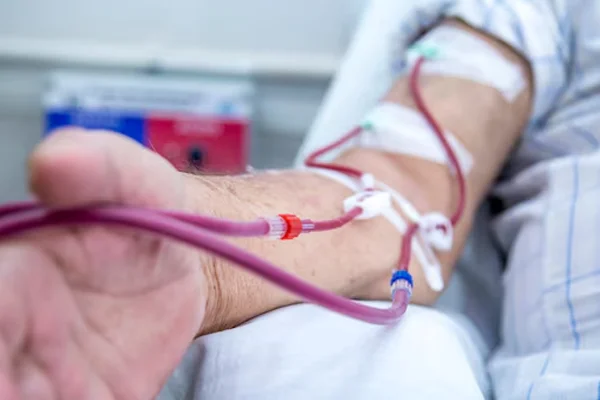
Hemodialysis uses a dialysis machine and a special filter called a dialyzer to clean the blood. Blood passes through the dialyzer, where waste products and excess fluid are removed, before the filtered blood is returned to the body.
Hemodialysis may be performed in a dialysis center or, for appropriately selected patients, at home.
Peritoneal dialysis uses the lining of the abdomen as a natural filter. Dialysis fluid is introduced into the abdominal cavity through a catheter, allowing waste and excess fluid to move from the blood into the dialysis solution. The used fluid is then drained and replaced.
The choice between different dialysis approaches depends on medical requirements, lifestyle, home circumstances, personal preferences, and the advice of the treating nephrology team.
Effective dialysis care involves much more than the dialysis session itself. Ongoing monitoring helps ensure that treatment remains appropriate and complications are identified early.
The dialysis prescription may consider treatment frequency, duration, fluid removal, blood flow, dialyzer selection, and other individual factors. It is adjusted according to kidney function, laboratory findings, symptoms, body weight, fluid accumulation, and treatment response.
When kidney function is severely reduced, excess fluid can accumulate between dialysis sessions. This may contribute to swelling, high blood pressure, and breathing difficulties.
Monitoring body weight, urine output, blood pressure, and fluid intake can help the dialysis team plan appropriate fluid removal.
Kidney failure can affect potassium, sodium, calcium, phosphorus, and other electrolytes. Regular blood tests help identify abnormalities and guide treatment.
Blood pressure may change during and between dialysis treatments. Appropriate monitoring and medication adjustment can help maintain safer blood pressure levels.
The dialysis team regularly evaluates whether the prescribed treatment is adequately removing waste products. Measurements such as Kt/V and URR may be used along with symptoms, laboratory results, fluid status, and treatment history.
Patients receiving hemodialysis need reliable vascular access for the treatment. Common types include:
The access requires regular monitoring because infection, blockage, bleeding, or other complications can interfere with dialysis. Patients should promptly report redness, swelling, pain, drainage, fever, unusual bleeding, or changes in how their fistula or graft feels.
Nutrition is an important part of dialysis management. Dietary requirements vary from patient to patient depending on kidney function, dialysis type, laboratory values, nutritional status, and other medical conditions.
Depending on individual needs, patients may receive guidance regarding:
A renal dietitian can help create an appropriate nutrition plan based on the patient's medical and dietary requirements.
Some patients may experience symptoms during or after dialysis, including:
The cause of these symptoms needs to be evaluated rather than assuming they are an unavoidable part of dialysis. The dialysis prescription, fluid removal, medications, or other aspects of treatment may sometimes need adjustment.
Patients on long-term dialysis require regular nephrology follow-up. Comprehensive management may include:
Regular laboratory monitoring
Kidney function, electrolytes, hemoglobin, mineral levels, and other parameters may be monitored periodically.
Medication management
Medicines may be adjusted according to kidney function, blood pressure, anemia, bone-mineral health, diabetes, and other medical conditions.
Access monitoring
Dialysis access should be checked regularly for signs of infection, blockage, or poor function.
Nutritional support
Individualized dietary guidance can help maintain adequate nutrition while managing fluid and electrolyte requirements.
Transplant evaluation
For suitable patients with kidney failure, kidney transplantation may be discussed as another kidney replacement option. Dialysis and transplantation are the two major treatment approaches for kidney failure.
Dialysis is not always permanent when it is started for Acute Kidney Injury (AKI).
In some severe AKI cases, dialysis may be required temporarily because the kidneys are unable to safely manage waste, fluid, or electrolyte abnormalities. If kidney function subsequently recovers, dialysis may no longer be necessary.
Close monitoring is therefore important to assess kidney recovery and determine whether dialysis requirements are changing.
For patients seeking Dialysis Management & Care in Faridabad, nephrology-focused management can help coordinate treatment according to individual kidney function and overall health.
Care may focus on:
Dr Vaishali Kathuria is listed as a nephrologist at Accord Superspeciality Hospital, Sector 86, Faridabad.
You should seek medical evaluation if you have:
Chest pain, severe breathing difficulty, fainting, severe weakness, uncontrolled bleeding, or signs of serious infection require urgent medical attention.
Dialysis management involves monitoring and optimizing dialysis treatment along with fluid balance, electrolytes, blood pressure, medications, nutrition, dialysis adequacy, and potential complications.
No. Dialysis is generally considered when kidney function is severely reduced and the kidneys can no longer adequately manage waste, fluid, or other important functions. The decision is individualized.
The frequency varies according to the patient's medical needs and dialysis prescription. Many patients receiving conventional in-center hemodialysis undergo treatment several times per week, but the schedule should be determined by the treating nephrologist.
Yes. In some patients with severe acute kidney injury, dialysis may only be needed temporarily while kidney function recovers.
Hemodialysis cleans the blood using a dialysis machine and dialyzer. Peritoneal dialysis uses the lining of the abdomen as a natural filter and can be performed as a home-based treatment for appropriately selected patients.
Some dialysis patients continue to produce urine because they may retain some remaining kidney function. The amount of urine can vary considerably between individuals.
Not always. Dialysis may be temporary in some cases of acute kidney injury. For established kidney failure, long-term dialysis or kidney transplantation may be considered depending on the patient's circumstances.
Contact your dialysis team or doctor promptly if there is redness, warmth, swelling, pain, drainage, fever, unusual bleeding, or a change in the normal functioning of the access.


